
Browntop millet
Brachiaria ramosaTeluguఅండు కొర్రలు Andu korraluHindiछोटी कंगनी Chhoti kangniTamilகுலசாமை KulasamaiKannadaಕೊರಲೆ KoraleMarathiमुरत Murat
Names: ICAR-Indian Institute of Millets Research
Pictures
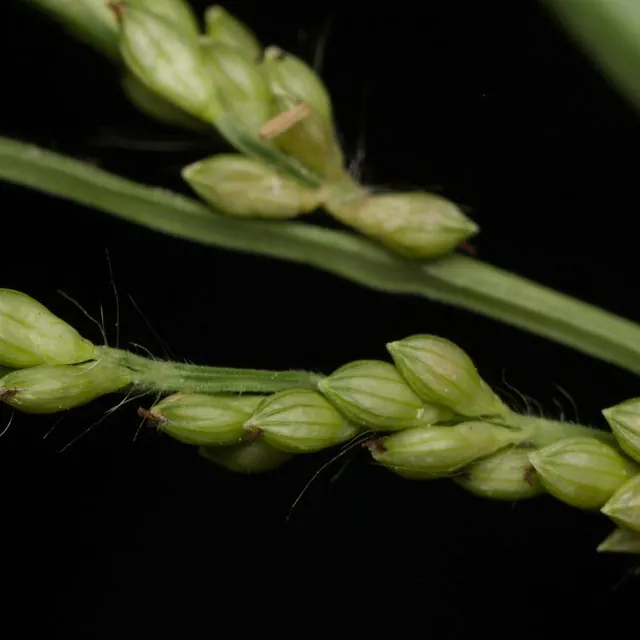
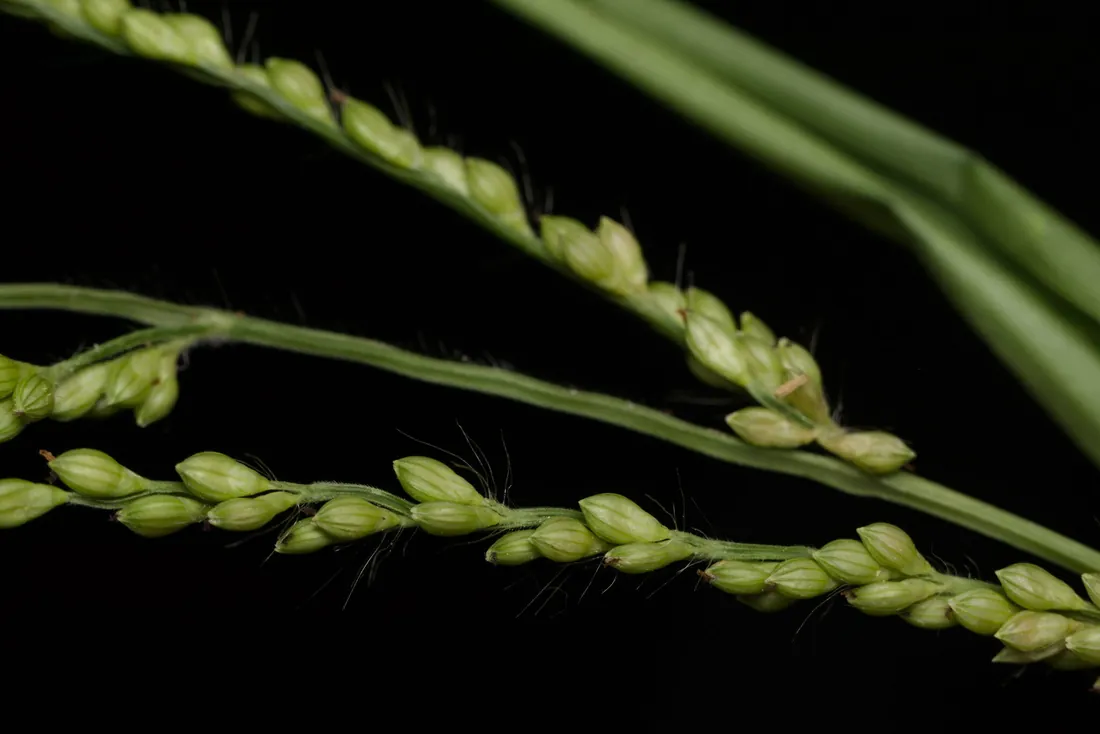
Nutrition of the raw grain, per 100 g
| Energy | 338 kcal |
| Protein | 8.98 g |
| Fat | 1.89 g |
| Carbohydrate (available) | 71.32 g |
Source: ICAR-IIMR 'Millets Chalisa' farmer leaflet (2025, English).
Every nutrient in the raw grain — 5 values, per 100 g
Energy, protein, fat, carbohydrate, fibre5
| Energy | 338 kcal |
| Carbohydrate | 71.32 g |
| Protein | 8.98 g |
| Fat | 1.89 g |
| Water (moisture) | 10.8 g |
Source, one for the whole list: ICAR-IIMR Millets Chalisa leaflet No. 12 (browntop millet). Values exactly as the table prints them; published values for the grain, not a laboratory test of our packs. Tap a name for what it is and does.
Where it comes from
- Neolithic south India (2800-1200 cal BC): likely staples included two millet-grasses indigenous to the peninsula, Brachiaria ramosa (browntop) and Setaria verticillata. (Fuller D, Korisettar R, Venkatasubbaiah PC, Jones MK)
- In South India browntop appears to have been the first staple millet, and it also occurs as an early crop in the Neolithic Ganges. (Weber SA & Fuller DQ, 'Millets and their role in early agriculture')
- ICAR-IIMR: browntop appears to have been a major staple in the late pre-history of the Deccan; it was introduced from India to the USA around 1915. (ICAR-IIMR 'Millets Chalisa' farmer leaflet)
Where it grows
- Limited cultivation, largely confined to Telangana, remote parts of Andhra Pradesh and Karnataka; variety HBr-2 for Karnataka. (ICAR-IIMR 'Millets Chalisa' farmer leaflet)
- Grows in rocky, shallow and medium soils; IIMR calls it hardy and suited to dryland - but the same leaflet says it does not do well under drought. (ICAR-IIMR 'Millets Chalisa' farmer leaflet)
In the kitchen
- Dehulled browntop is used as 'rice'; dehulling is hard (40-50 kg 'rice' per 100 kg seed). (ICAR-IIMR 'Millets Chalisa' farmer leaflet)
- Ritual breads are made from browntop in restricted districts of South India. (Weber SA & Fuller DQ, 'Millets and their role in early agriculture')
Recipes
- Browntop Millet Stuffed MushroomsModern · Snack
- Browntop Millet Annam (Plain Cooked Browntop)Traditional · Lunch
- Browntop Millet Sankati (Stiff Porridge Balls)Traditional · Lunch
- Browntop Millet Roti (Hot-Water Dough)Traditional · Dinner
- Browntop Millet Java (Thin Porridge)Traditional · Breakfast
- Browntop Millet Upma (from a Ready-to-Cook Mix)Modern · Breakfast
- Browntop and Ragi Hurihittu (Popped Millet Flour)Traditional · Snack
- Browntop Millet Malt Drink (with Ragi and Green Gram)Traditional · Drink